An Atmos Visuals Shader is a real-time graphics technique designed to simulate believable atmospheric effects such as fog, haze, light scattering, and volumetric lighting. Instead of simply overlaying a uniform fog color, it calculates how light interacts with particles in the air. This produces depth, mood, and realism in games, films, and interactive environments.
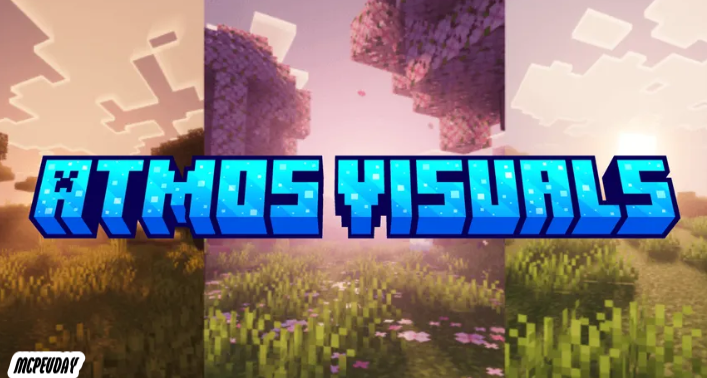
Atmos Visuals Shader BY – voxenMC2
At its core, an Atmos Visuals Shader models how light behaves as it travels through a medium like air, mist, smoke, or clouds. Real-world atmosphere contains tiny particles that redirect or absorb light. To mimic this, the shader uses two types of scattering: Rayleigh scattering, which affects small particles and creates soft blue tones in clear air, and Mie scattering, which interacts with larger particles to generate thicker haze, god rays, and the warm colors of sunrise or sunset. By blending these two, the shader can produce natural sky gradients and variable fog behavior.
One key feature is volumetric fog. Traditional fog fades objects by distance only, ignoring lighting. Volumetric fog, however, treats fog as a 3D volume with density that varies across height and depth. This allows light to pass through fog in realistic ways—casting visible beams, illuminating patches of mist, and letting objects fade into the haze smoothly. Many Atmos shaders use an exponential height formula so that fog is thicker near the ground and thinner at higher elevations, just like in nature.
Another important characteristic is god rays or light shafts. These appear when a bright light source, such as the sun, shines through gaps in geometry or clouds. The shader simulates these rays by raymarching or sampling along the line between the camera and the light. As the light travels through fog volumes, it creates streaks of illumination that respond dynamically as the player or camera moves.
Atmos Visuals Shaders also often incorporate color grading and time-of-day responsiveness. For example, fog may shift from cool blue in the morning to golden orange at sunset. Artists can adjust parameters such as color, density, scattering, and horizon gradients to match the desired mood. Some shaders integrate with weather systems, increasing fog during storms or adding dust during windy conditions.
From a technical standpoint, these shaders commonly operate as a mixture of post-processing and volumetric passes. They may use raymarching, froxel grids, or lower-resolution buffers to compute fog efficiently while maintaining performance. Techniques such as blue-noise dithering and temporal reprojection help smooth results without heavy computation.
Images
Images
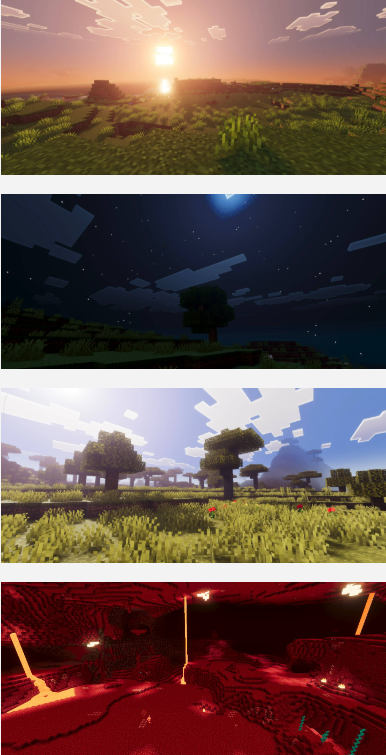
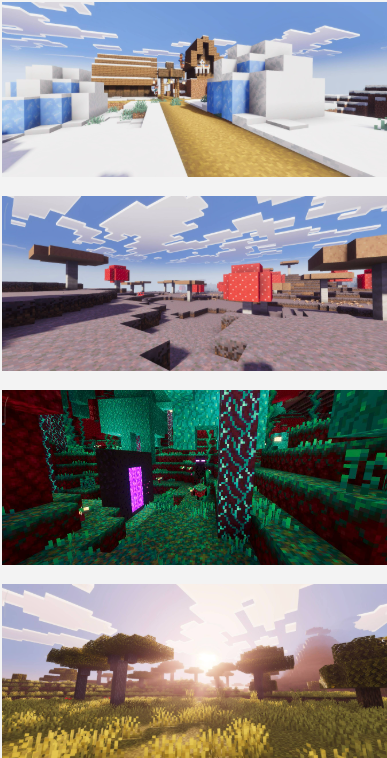
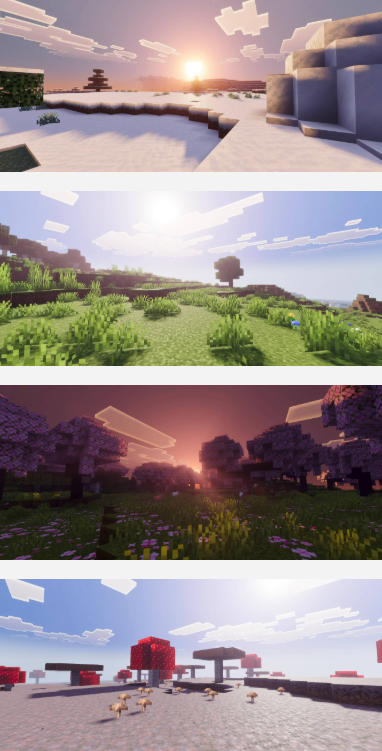
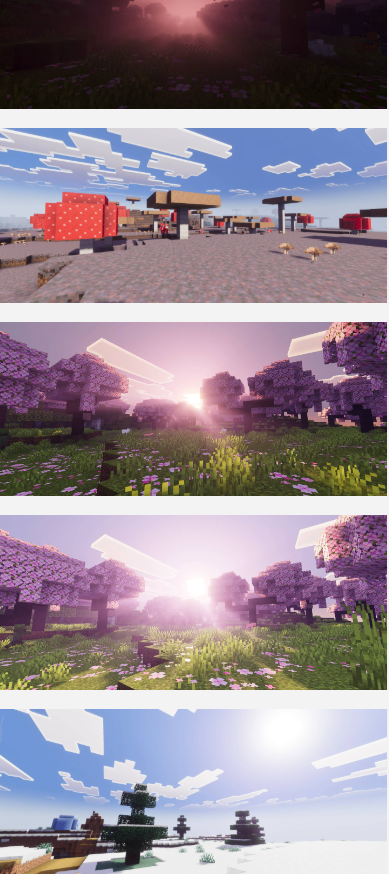
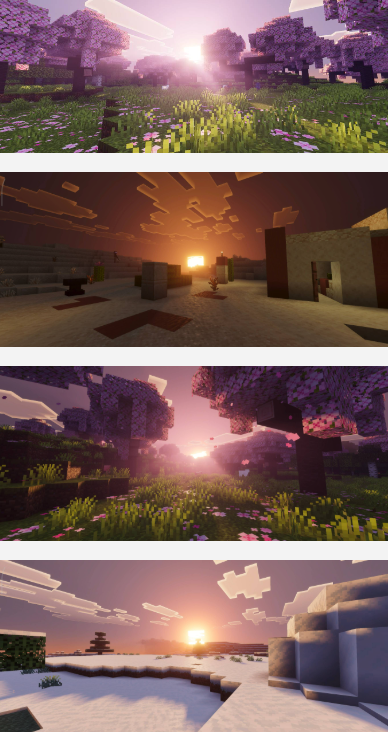

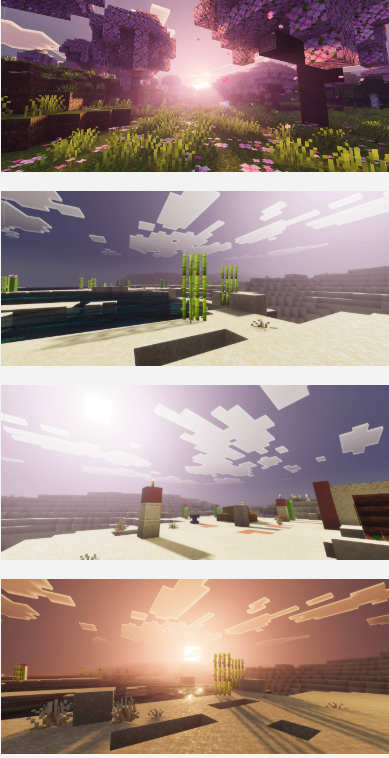
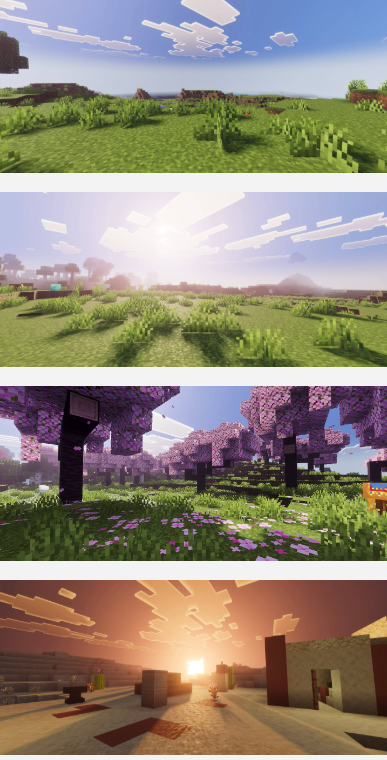
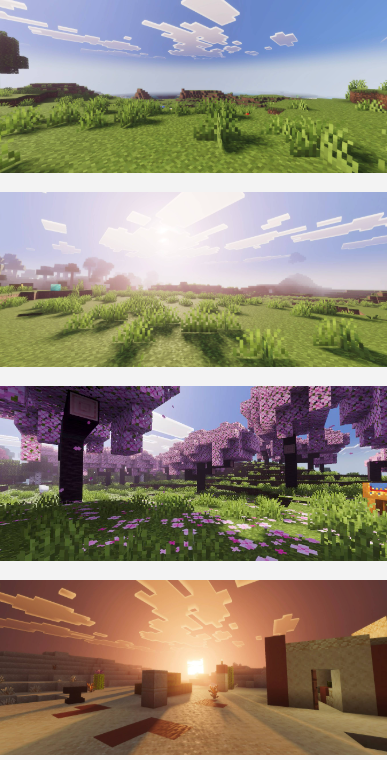

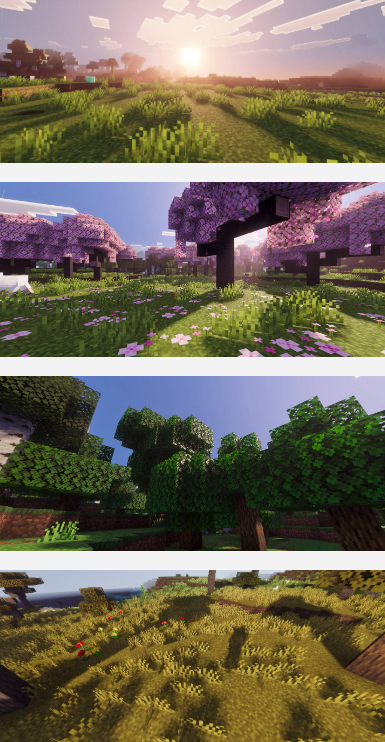
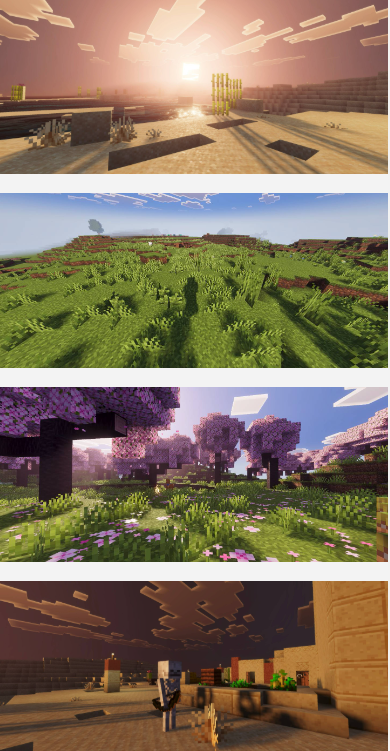
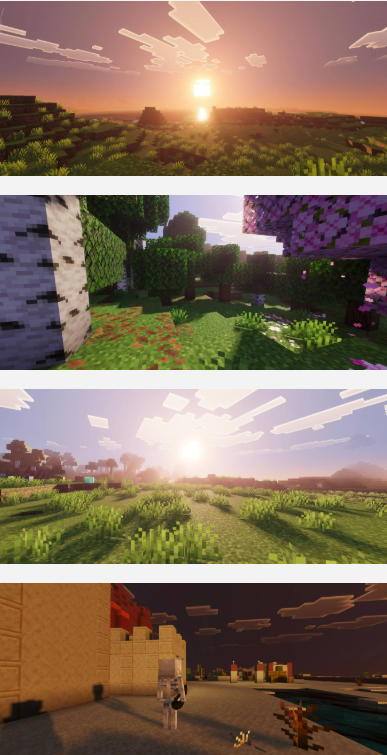
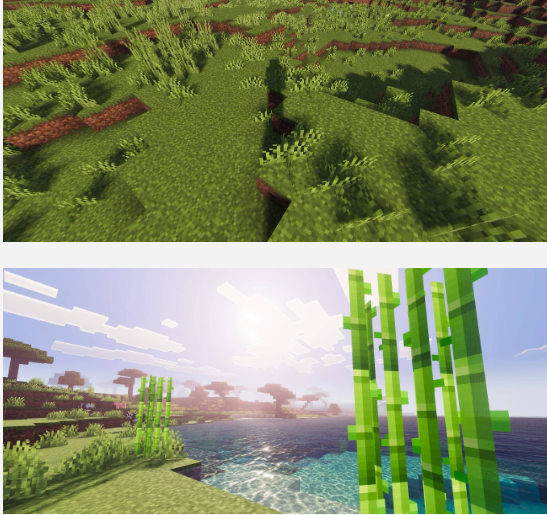
The benefits of an Atmos Visuals Shader are substantial. It adds cinematic depth, emphasizes silhouettes, enhances environmental storytelling, and improves visual immersion. Whether used in realistic landscapes, stylized fantasy worlds, or atmospheric horror scenes, this shader type enables artists and developers to manipulate mood and lighting in ways that standard fog cannot achieve.