What Is Chroma Shader and Why Every Player Needs It
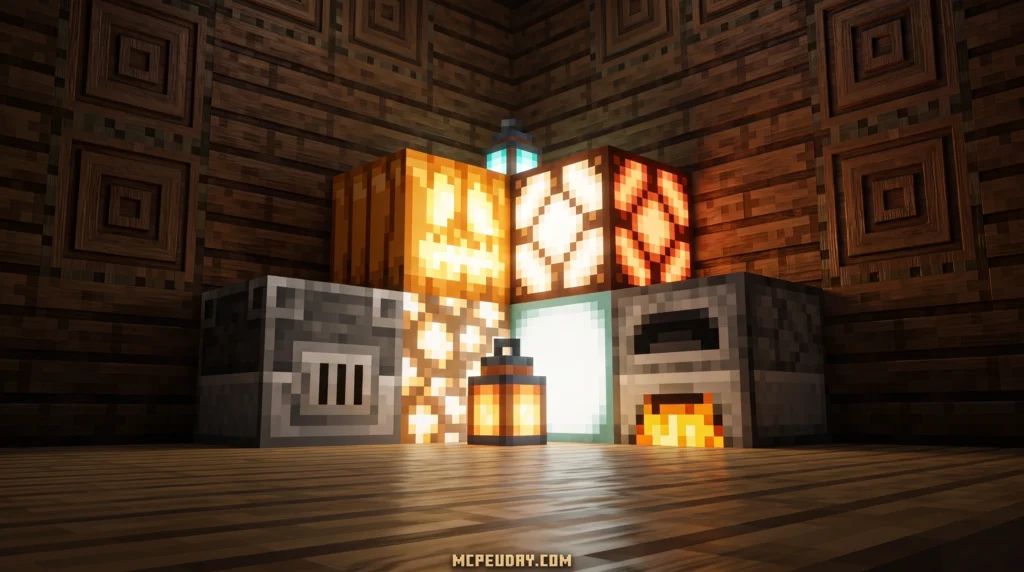
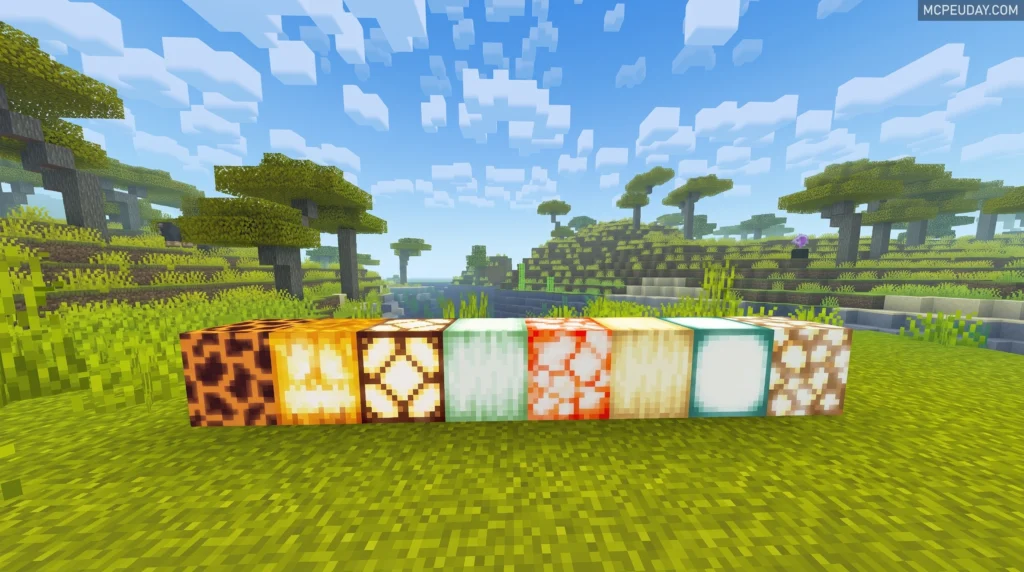
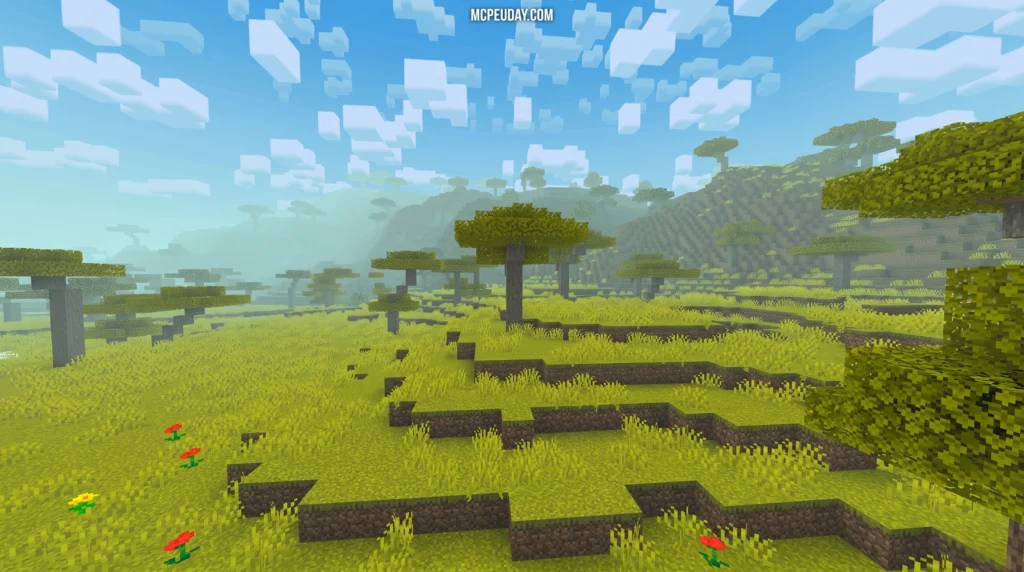
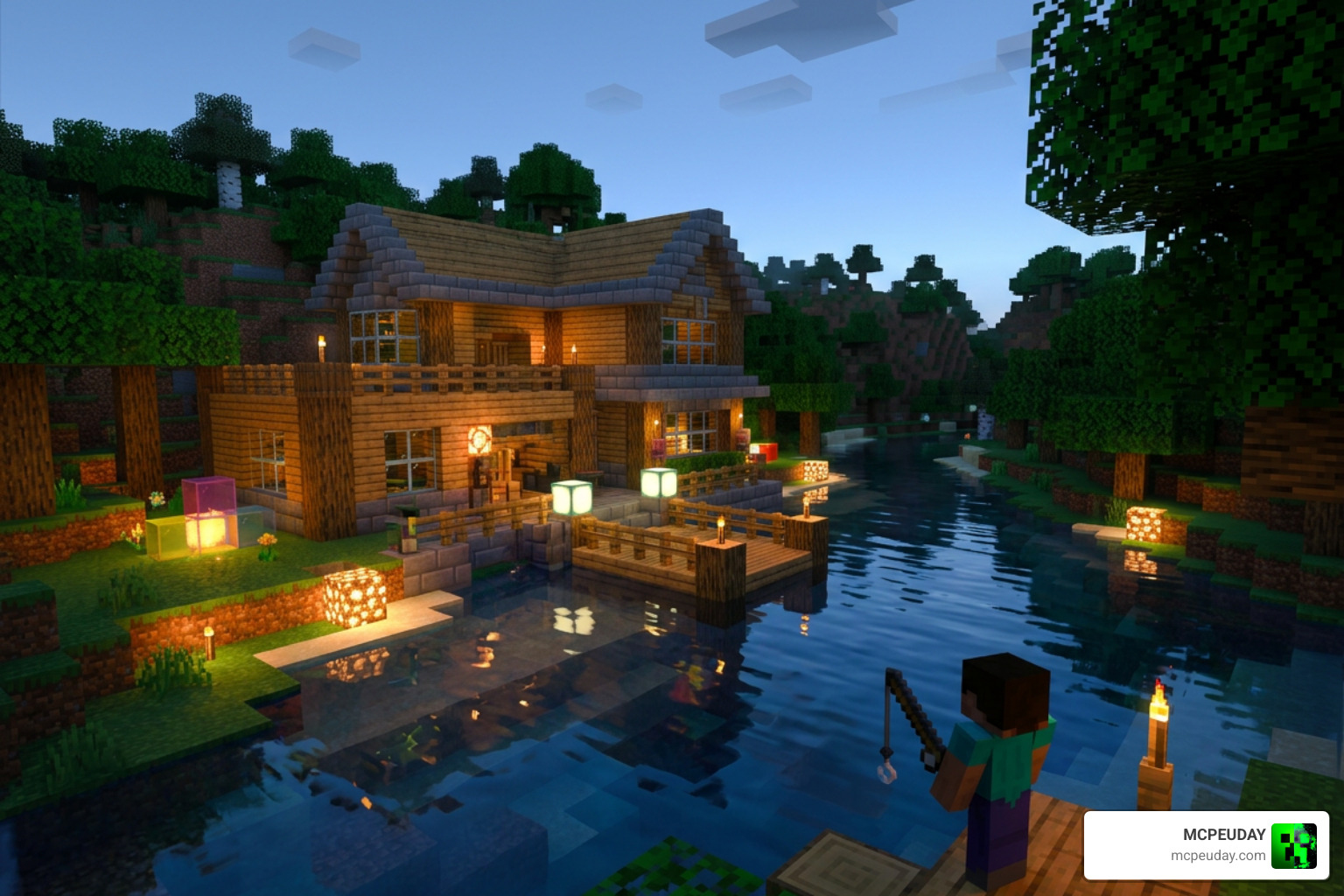
Chroma Shader is a powerful visual enhancement tool that transforms how your game looks — whether you’re playing Minecraft or building experiences in Unity.
Here’s a quick answer to what Chroma Shader does:
- Adds stunning visual effects like color grading, gradients, and dynamic lighting
- Works across multiple platforms — Minecraft Bedrock (MCPE), Java Edition, and Unity projects
- Replaces flat, default graphics with rich, cinematic visuals
- Supports all major Unity render pipelines — Built-in, URP, and HDRP
- Lets artists control shaders visually without writing complex code
If you just want to know how to download it, jump straight to the step-by-step section below.
Shaders are one of the fastest ways to make a game look dramatically better. And Chroma is one of the most popular options out there — with nearly 600 users favouriting it on the Unity Asset Store alone.
The appeal is simple. Default graphics tools are limited. They don’t give you gradients, curves, or organized controls. Chroma fixes that. As Unity’s own blog has noted, curves are “the ultimate design lever” — and Chroma puts that power right in your inspector.
Whether you’re a Minecraft player hunting for a shader pack that makes your world look cinematic, or a Unity developer building a polished game, Chroma has something for you.
What is the Chroma Shader and How Does It Work?
To understand why the Chroma Shader is such a game-changer, we have to look at what happens behind the scenes. In standard game development and rendering environments, engines are quite limited in what they can pass to shaders. By default, Unity can only pass numbers, vectors, and textures. This means if you want to create a beautifully complex color transition or custom math-based vertex displacement, you often have to write complicated code or settle for flat, static colors.
The Unity-focused asset What Is Chroma? solves this by letting developers pass full gradients and curves directly as shader parameters. It automatically bakes these visual curves and gradients into tiny, performance-friendly textures on the fly.
On the flip side, if you are a gamer looking to enhance your Minecraft Bedrock edition, we have the Chromatic Visuals Shader. It utilizes advanced coloration techniques to transform the game’s atmosphere. Instead of dull, uniform lighting, it introduces dynamic color grading, realistic shadows, and vibrant skies.
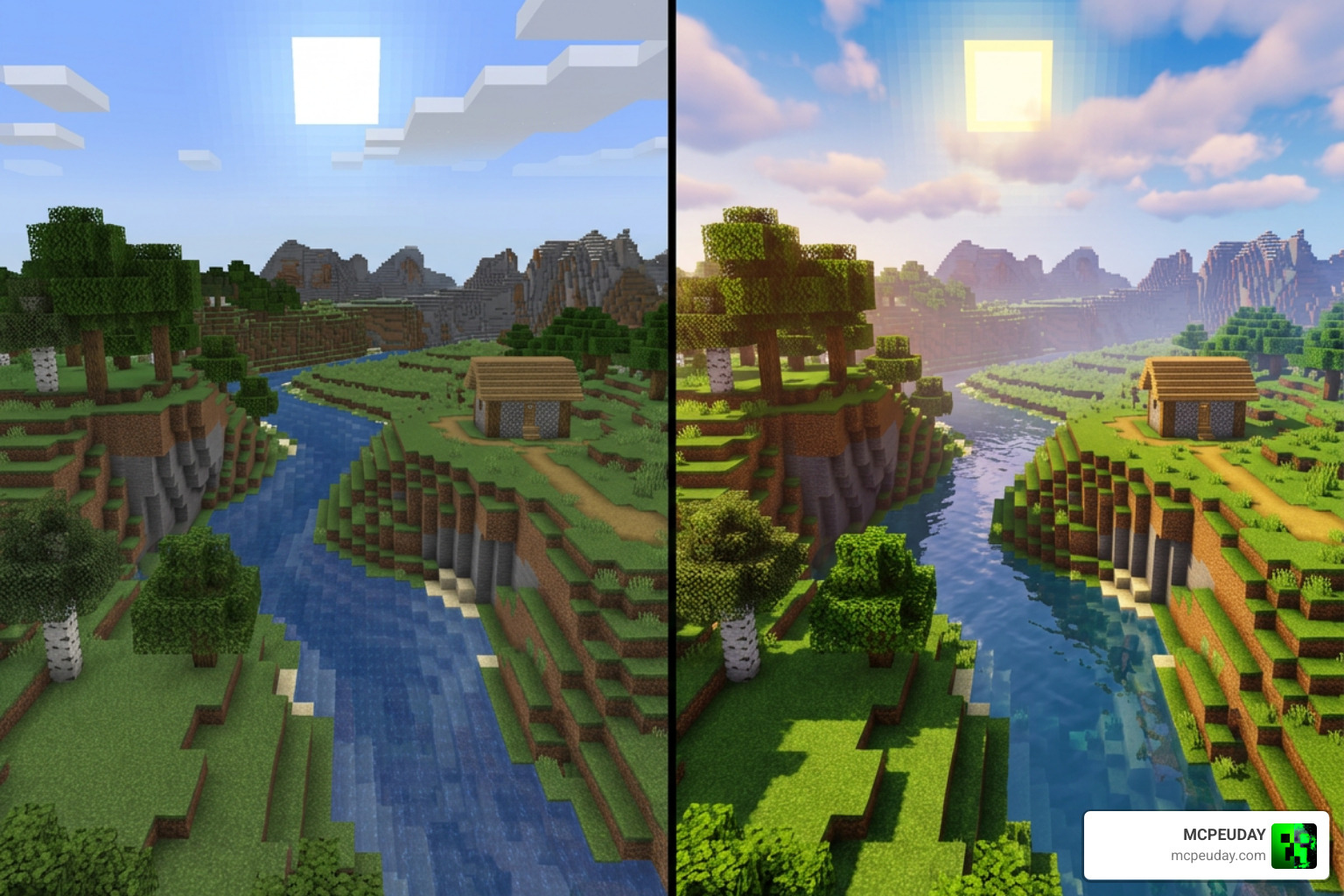
Both versions of Chroma work by overriding the default rendering pipeline’s basic color calculations. Whether it’s adjusting contrast, exposure, and saturation dynamically in a custom WebGL environment—similar to the API concepts found in the ChromaColorationShader | Foundry Virtual Tabletop – API Documentation – Version 12 —or calculating smooth atmospheric scattering in a custom skybox, Chroma makes visual setup incredibly straightforward.
Step-by-Step Guide: How to Download Chroma Shader
Before we dive into the download process, we need to make sure you are getting the correct version for your specific project or game.
The table below breaks down the primary differences between the development asset and the gaming resource pack:
| Feature | Unity Chroma (Easy Pro Shaders) | Minecraft Chromatic Shader |
|---|---|---|
| Primary Use Case | Game Development & Visual Effects | Enhancing Minecraft Gameplay |
| Target Platforms | PC, Console, Mobile, WebGL | MCPE, Bedrock, Java Edition |
| File Size | 22.5 MB | Varies (usually under 15 MB) |
| Key Features | Custom UI, Gradients, Curves, HDR | Realistic shadows, waving foliage, skybox |
| Render Pipelines | Built-in, URP, HDRP | RenderDragon, GLSL, HLSL |
If you are looking for more incredible graphics packs for your mobile world, explore our dedicated category/shaders section.
Choosing Between Minecraft and Unity Chroma Shader
Your first step is to decide which version of Chroma you need.
If you are a gamer playing Minecraft Java Edition or Bedrock Edition (MCPE), you are looking for a resource pack that changes your game’s blocky aesthetic.
If you are a developer, technical artist, or designer working within a game engine, you will want the professional asset package to build stunning material inspectors and pass advanced variables to your custom rendering pipelines.
Downloading the Chroma Shader Package
For developers, the official Chroma: Easy Pro Shaders | VFX Shaders | Unity Asset Store is the safest and most reliable source. The latest version 2.1.8 (released May 22, 2026) is priced at $29.90 and comes packed with 8 demo scenes for URP, 9 example object shaders, and 3 image effect shaders.
For gamers, downloading your shader pack from a trusted community hub like MCPEUDAY ensures your download is free from malware and fully optimized for the latest game updates. Simply find the download button on our dedicated shader page to grab the file.
Importing and Installing the Shader
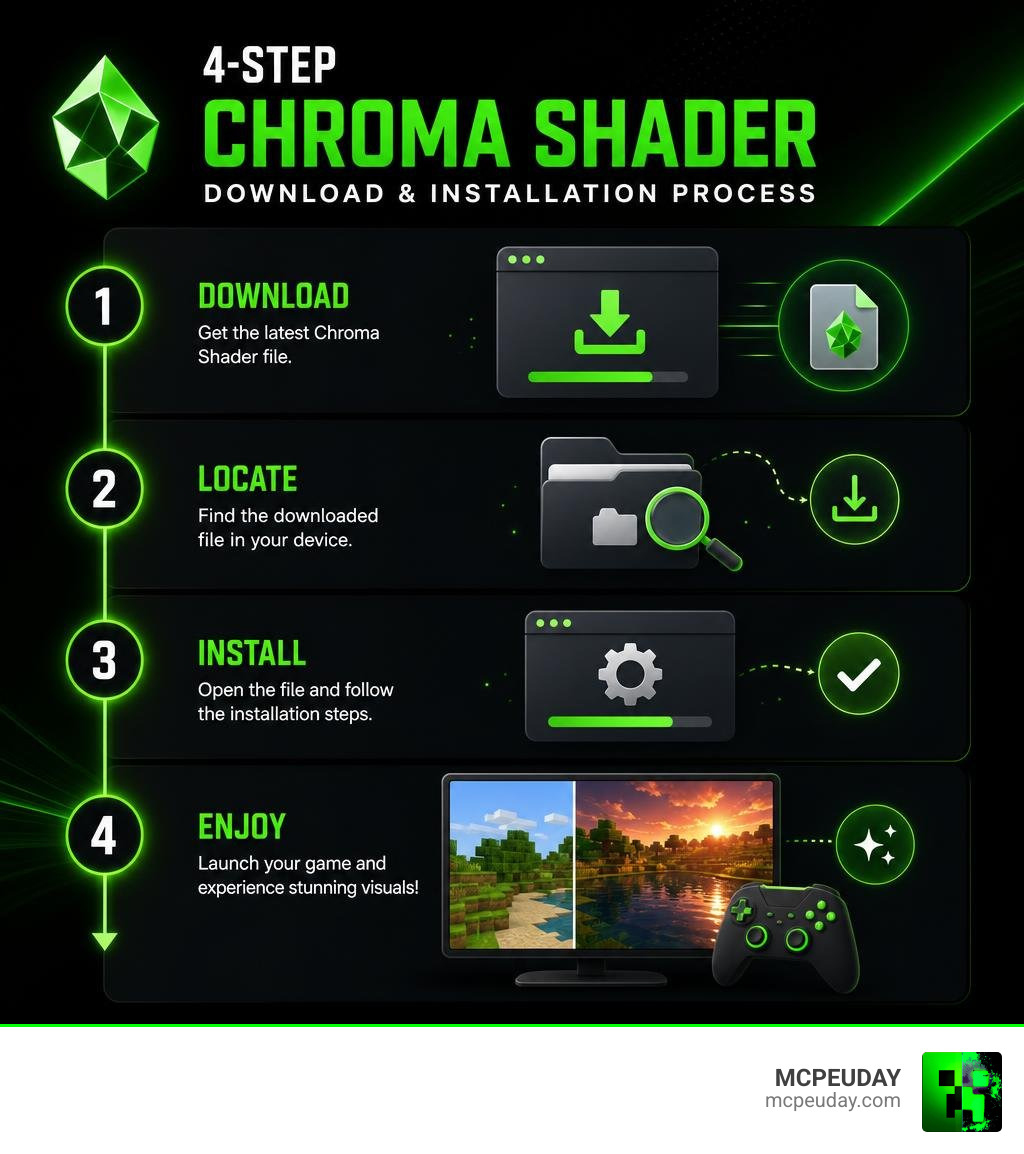
Once downloaded, the installation process depends on your platform:
For Minecraft Bedrock (MCPE):
- Locate the downloaded file (usually ending in .mcpack).
- Double-click or tap on the file to automatically import it into Minecraft.
- If you are on PC or manual mobile setup, move the file into your resource_packs folder. For more tips on this setup, check out our guide on the Top 5 Best Realistic Shaders For Mcpe.
For Unity Developers:
- Open your Unity project (compatible with versions from 2020.3.42f1 through 6000.4.0f1).
- Go to Assets > Import Package > Custom Package.
- Select the 22.5 MB Chroma package and import all assets.
Activating and Customizing Shader Settings
After importing, it is time to turn things on!
In Minecraft, navigate to Settings > Global Resources > My Packs, click on the Chromatic pack, and select Activate. You can then click the gear icon to adjust performance presets.
In Unity, assign your new shader to a material. The custom Material Inspector will instantly load, giving you access to advanced tools like foldouts, notes, and the Gradient Synchronizer utility to apply consistent color palettes across your entire scene.
Key Features and Technical Capabilities of Chroma
What makes the Chroma Shader family so beloved is its sheer technical versatility. In professional game design, organizing a material inspector can be a nightmare. Unity’s default inspector is rigid and does not natively support annotations, tooltips, or conditional visibility.
With Chroma’s custom Material Property Drawers, you can create gorgeous, clean interfaces. It supports headers, foldouts, notes, and tooltips. Best of all, many of these UI elements use dummy properties, meaning they do not affect shader performance or bloat your compiled code.
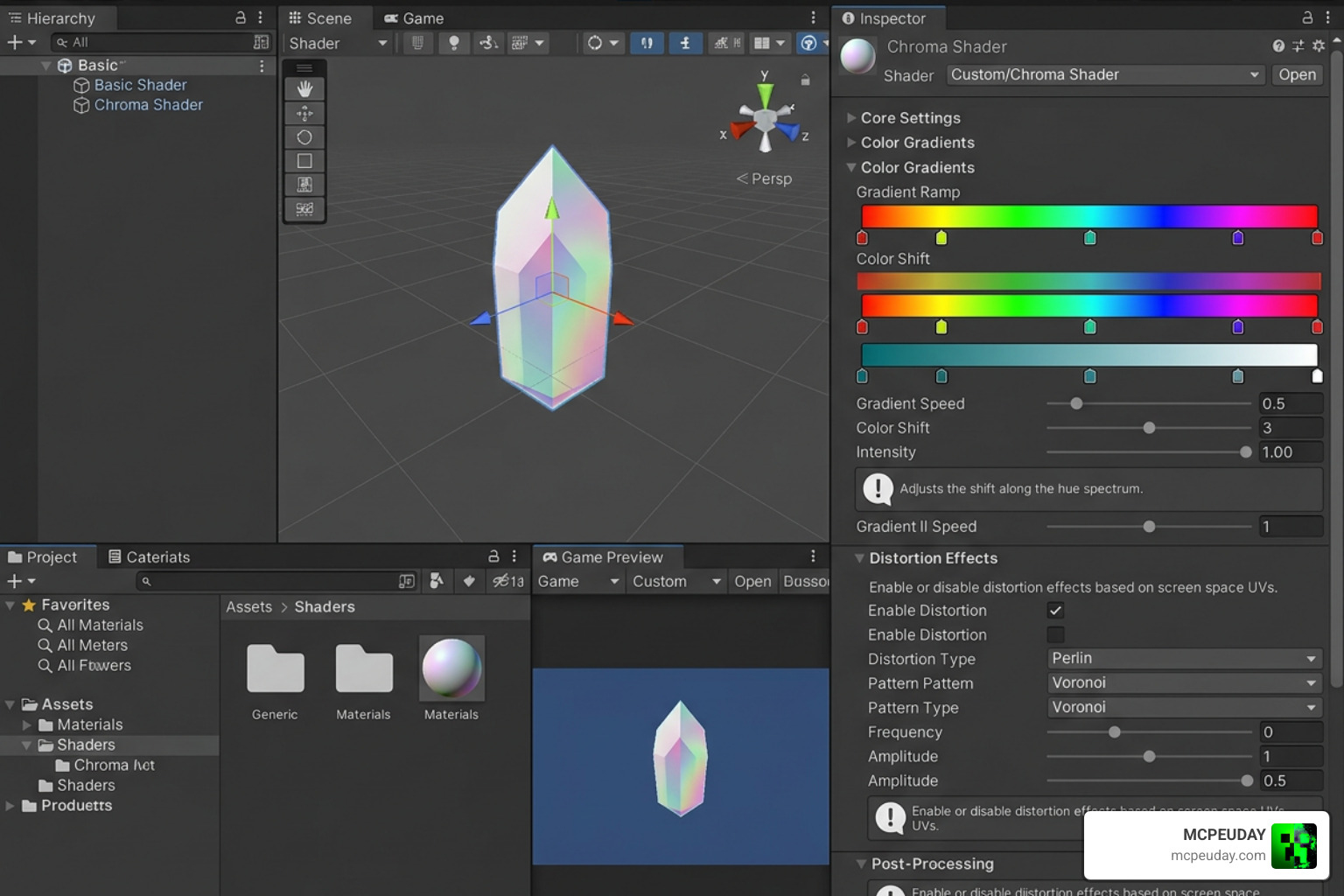
Here are the standout features that make it an irreplaceable tool:
- HDR Gradients: Essential for defining light emission at different angles, allowing you to create beautiful glowing materials and volumetric effects.
- Visual Curves: Instead of hard-coding complex math into your shader code, you can use AnimationCurves to visually define vertex displacement, wind speed, or custom falloff.
- Palette Integration: Extract color palettes directly from images using Adobe Color or ColorHunt integrations.
- Gradient Synchronizer: A utility that lets you edit a single gradient and instantly apply those changes across multiple materials in your scene.
If you are looking for alternatives that offer ultra-realistic lighting with smooth framerates, take a look at our list of the 3 Best Shaders For Minecraft 1 21 Ultra Realistic Smooth Fps Stunning Graphics.
Frequently Asked Questions about Chroma Shader
Is Chroma Shader compatible with Minecraft Bedrock (MCPE)?
Yes! There are dedicated community versions of the Chromatic shader designed specifically for Bedrock and MCPE. However, keep in mind that newer Bedrock versions utilize the RenderDragon rendering engine, which limits traditional shader files. Make sure to download a version explicitly optimized for RenderDragon to avoid black screens or loading errors.
Does the Unity Chroma Shader impact game performance?
Hardly at all! Chroma is highly optimized for production environments. It fully supports both the SRP Batcher and DOTS (Data-Oriented Technology Stack). Because gradients and curves are baked into tiny, efficient lookup textures, they consume minimal GPU memory and maintain excellent frame rates on mobile, console, and desktop platforms.
Can I use Chroma Shader with Shader Graph or Amplify?
Absolutely! Chroma integrates seamlessly with different shader creation workflows:
- Shader Graph: Open your Shader Graph, open the Graph Inspector, and type “Chroma” in the Custom Editor UI field.
- Code Shaders: Add the line
CustomEditor "Chroma"at the bottom of your HLSL or Cg shader code. - Amplify Shader Editor: Set Chroma as your Custom Editor and sample your gradients and curves as textures with the Y or V coordinate set to any value.
For developers seeking advanced coloration logic, you can also reference structure techniques like those in the ChromaColorationShader | Foundry Virtual Tabletop – API Documentation – Version 14 to see how adaptive coloration is managed in modern web renderers.
Conclusion
Whether you are a developer looking to streamline your design pipeline with professional material interfaces or a gamer wanting to experience your virtual worlds in a whole new light, the Chroma Shader is an outstanding tool. Its unique approach to handling gradients, curves, and custom UI elements makes it stand out in a sea of basic rendering tools.
If you are ready to completely revolutionize your gameplay visuals, check out our curated selection of the Best Shaders For Mcpe 1 21 2026 Top 3 Realistic Minecraft Pe Shaders to find the perfect fit for your device!